Responsible AI in Education

Responsible AI in Education: Building an Ethical Framework for Tomorrow’s Classrooms
Artificial intelligence is no longer a futuristic concept. It’s already sitting in classrooms across the globe, helping students learn and teachers teach. But here’s the big question nobody seems to be asking loud enough: Are we using AI responsibly in our schools?
The conversation around AI ethics schools need to have is long overdue. As educators, parents, and administrators rush to adopt the latest technology, we must pause and consider the implications. What data are we collecting from our children? How are algorithms making decisions about student performance? And most importantly, are we preparing young minds to navigate an AI-driven world with integrity?
This isn’t about rejecting technology. It’s about embracing it wisely. Let’s explore what responsible AI in education actually looks like and why it matters more than ever.
Understanding AI Ethics in Schools: Why It Matters Now
Think about this for a moment. Every time a student uses an AI-powered learning app, data is being collected. Their answers, their mistakes, how long they spend on each question, and even their emotional responses in some cases. This information shapes their learning experience, but it also raises serious ethical concerns.
AI ethics in schools isn’t just a technical discussion. It’s a human one. We’re talking about children whose digital footprints are being created before they fully understand what that means.
Here are some key reasons why ethical AI practices in education deserve our immediate attention:
- Privacy protection for minors who cannot consent to data collection
- Algorithmic bias that may disadvantage certain student groups
- Transparency in how AI tools make educational recommendations
- Equal access to AI-enhanced learning opportunities
- Digital literacy skills that students need for the future
The Current State of AI in Educational Settings
Walk into almost any modern classroom, and you’ll see AI at work. Adaptive learning platforms adjust difficulty levels in real-time. Grading software evaluates essays with remarkable speed. Chatbots answer student questions at midnight when teachers are asleep.
These tools offer genuine benefits. They can personalize education in ways that weren’t possible before. A struggling student gets extra support while an advanced learner receives additional challenges. Teachers gain valuable insights into class performance without spending hours analyzing data.
But here’s where it gets complicated.
Many schools adopt these technologies without fully understanding how they work. Administrators sign contracts with EdTech companies without reading the fine print about data usage. Teachers receive minimal training on the ethical implications of the tools they’re required to use.
Common AI Applications in Schools Today
Let’s look at where AI is already making an impact:
- Intelligent tutoring systems that provide personalized instruction
- Automated assessment tools for grading and feedback
- Early warning systems that identify at-risk students
- Language learning applications with speech recognition
- Administrative AI for scheduling and resource allocation
Each of these applications brings benefits, but also potential pitfalls that schools must navigate carefully.
Key Principles for Ethical AI Implementation
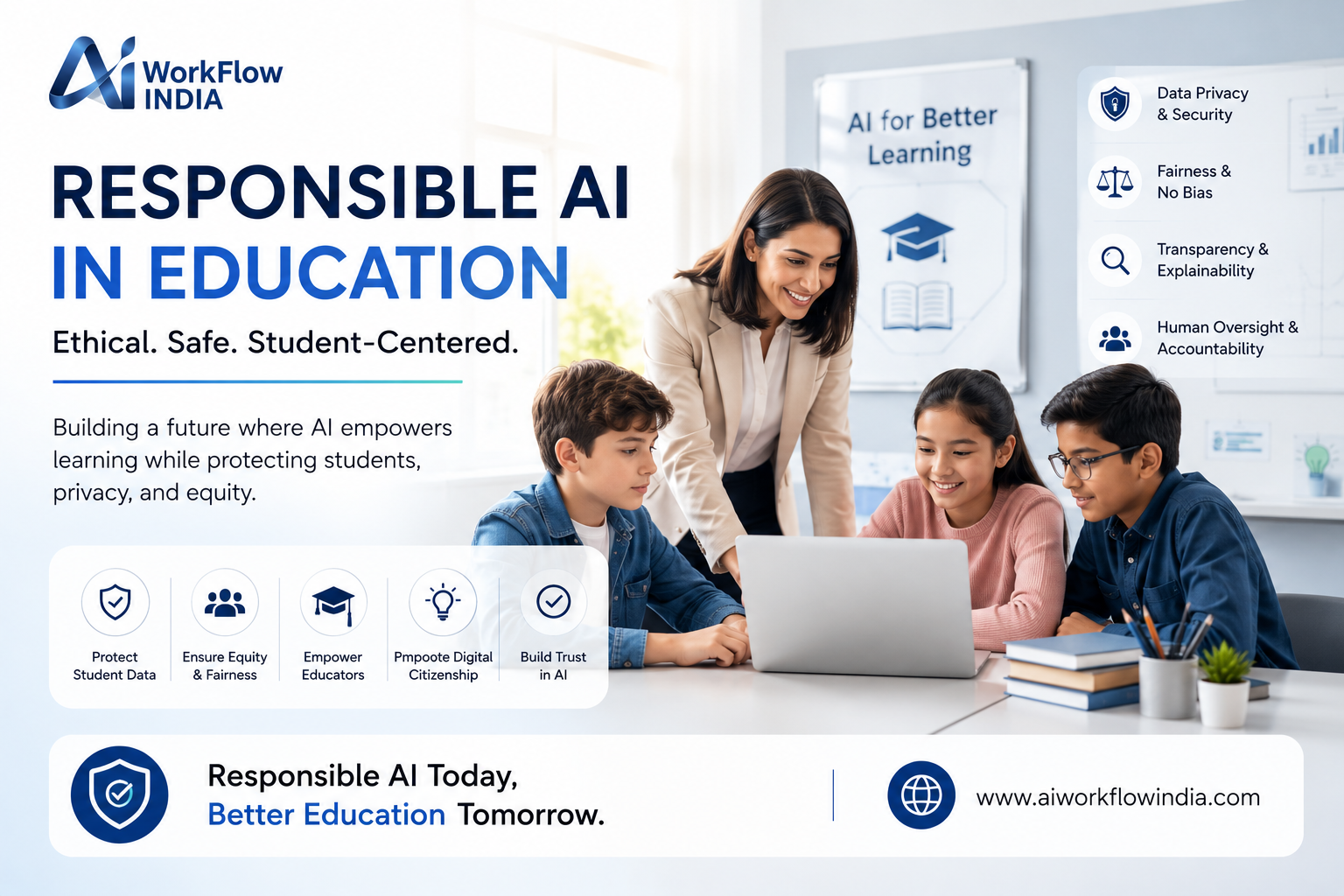
So how do schools get this right? It starts with establishing clear principles that guide every AI-related decision. These aren’t just nice-to-have guidelines. They’re essential frameworks for protecting students and educators alike.
Transparency and Explainability
Students and parents deserve to know when AI is being used and how it affects educational outcomes. If an algorithm recommends a student for remedial classes, the reasoning behind that recommendation should be understandable to humans.
This means choosing AI tools that offer explainable AI features rather than black-box solutions that nobody can interpret.
Data Privacy and Security
Student data protection must be non-negotiable. Schools should implement strict policies about what information is collected, how long it’s stored, who can access it, and how it’s eventually deleted.
Remember, we’re dealing with minors. The standards for protecting their information should be even higher than those for adults.
Fairness and Inclusion
AI systems can perpetuate existing biases if we’re not careful. An algorithm trained on biased data will produce biased results. Schools must actively evaluate their AI tools for fairness across different student populations.
This includes considering socioeconomic factors, cultural backgrounds, learning differences, and accessibility needs.
Preparing Educators for the AI Era
Here’s something that often gets overlooked in the rush to implement new technology: teachers need proper preparation. You wouldn’t hand someone the keys to a car without driving lessons. Why would we expect educators to navigate complex AI tools without comprehensive training?
Effective AI teacher training for schools should cover more than just how to use specific software. It needs to address the ethical dimensions of AI in education, helping teachers recognize potential issues and respond appropriately.
Quality training programs should include:
- Understanding how AI algorithms make decisions
- Recognizing signs of algorithmic bias in student assessments
- Protecting student privacy while using digital tools
- Teaching students to think critically about AI
- Balancing technology use with human connection
When educators feel confident about responsible AI practices, they can model ethical technology use for their students.
Teaching Students About AI Ethics
We can’t just talk about using AI ethically in schools. We also need to teach students how to engage with AI responsibly throughout their lives. This is a skill they’ll need long after they graduate.
Consider incorporating digital citizenship education that specifically addresses AI. Help students understand that AI systems aren’t neutral or objective. They’re created by humans with certain assumptions and limitations built in.
Age-Appropriate AI Literacy
What does this look like at different grade levels?
Elementary students can learn basic concepts about how computers “learn” from examples. Simple activities help them understand that AI isn’t magic but follows patterns created by people.
Middle school students can explore more complex topics like algorithmic bias. They might analyze how recommendation systems work on their favorite platforms and discuss the implications.
High school students are ready for deeper discussions about AI governance, privacy rights, and the societal impacts of artificial intelligence. They can engage with real-world case studies and ethical dilemmas.
Creating School Policies for Responsible AI Use
Individual efforts matter, but systemic change requires institutional policies. Schools and districts need comprehensive AI governance frameworks that address current challenges and adapt to future developments.
Effective policies should answer questions like:
- What criteria must AI tools meet before adoption?
- Who is responsible for ongoing monitoring of AI systems?
- How will the school respond if an AI tool causes harm?
- What rights do students and parents have regarding AI-related decisions?
- How often will policies be reviewed and updated?
These policies shouldn’t gather dust in administrative filing cabinets. They need to be living documents that everyone in the school community understands and follows.
The Role of Parents and Community
Parents play a crucial role in ensuring ethical AI use in education. They should ask questions about how their children’s data is being used and what AI tools are being employed in the classroom.
Schools can support this by:
- Hosting information sessions about AI in education
- Providing clear explanations of AI tools being used
- Creating channels for parents to voice concerns
- Including parent representatives in technology decisions
A school community that works together on these issues will be better equipped to navigate the complexities of educational technology.
Looking Ahead: The Future of Ethical AI in Education
The AI landscape is evolving rapidly. Tools that seem cutting-edge today will be outdated tomorrow. This means our approach to AI ethics schools must embrace cannot be static.
We need ongoing conversations, continuous learning, and willingness to adapt. The schools that thrive will be those that view ethical AI implementation not as a box to check but as an ongoing commitment to student wellbeing.
The good news? By starting these conversations now, we have the opportunity to shape how AI develops in educational contexts. We can advocate for tools that prioritize student interests. We can demand transparency from EdTech companies. We can ensure that the next generation grows up understanding both the power and the responsibilities that come with artificial intelligence.
Ready to take the next step in preparing your school for responsible AI integration? Explore comprehensive training programs designed specifically for educators who want to lead the way in ethical technology use.
Frequently Asked Questions
What are the main ethical concerns with AI in schools?
The primary ethical concerns include student data privacy, algorithmic bias that may disadvantage certain groups, lack of transparency in how AI makes decisions, and the digital divide that affects equal access to AI-enhanced learning. Schools must also consider the long-term implications of collecting data on children who cannot fully consent to its use.
How can teachers ensure they’re using AI responsibly in the classroom?
Teachers should seek proper training on any AI tools they use, understand how these tools collect and process student data, and regularly evaluate whether the technology is serving all students fairly. They should also maintain open communication with students and parents about when and how AI is being used in educational activities.
What should schools look for when choosing AI educational tools?
Schools should evaluate AI tools based on their data privacy policies, transparency about how algorithms work, evidence of bias testing, compliance with educational regulations like FERPA and COPPA, and the availability of support and training resources. It’s also important to consider whether the tool genuinely enhances learning outcomes or simply adds technology for its own sake.
“`
—
**For Rank Math Meta Post:**
**Title:** Responsible AI in Education: Ethics Framework for Schools | Complete Guide
**Meta Description:** Discover how schools can implement AI ethics responsibly. Learn about student data privacy, teacher training, and building ethical AI frameworks for education.
**Meta Keywords:** AI ethics schools, responsible AI education, student data privacy, AI teacher training, ethical AI implementation, digital citizenship education, AI governance schools