What is an AI Readiness Assessment?

What is an AI Readiness Assessment?
Is your business actually ready for artificial intelligence? That’s a question many companies skip—and it often costs them dearly. Before diving headfirst into AI implementation, smart organizations take a step back. They conduct an AI assessment to understand where they stand and what they need to succeed.
Think of it like a health checkup before running a marathon. You wouldn’t start a 26-mile race without knowing if your body can handle it. The same logic applies to adopting AI in your business. An AI readiness assessment gives you a clear picture of your strengths, gaps, and the steps needed to move forward confidently.
In this guide, we’ll break down everything you need to know about AI readiness assessments. You’ll learn what they involve, why they matter, and how to prepare your organization for a successful AI journey.
Understanding the Basics of AI Readiness
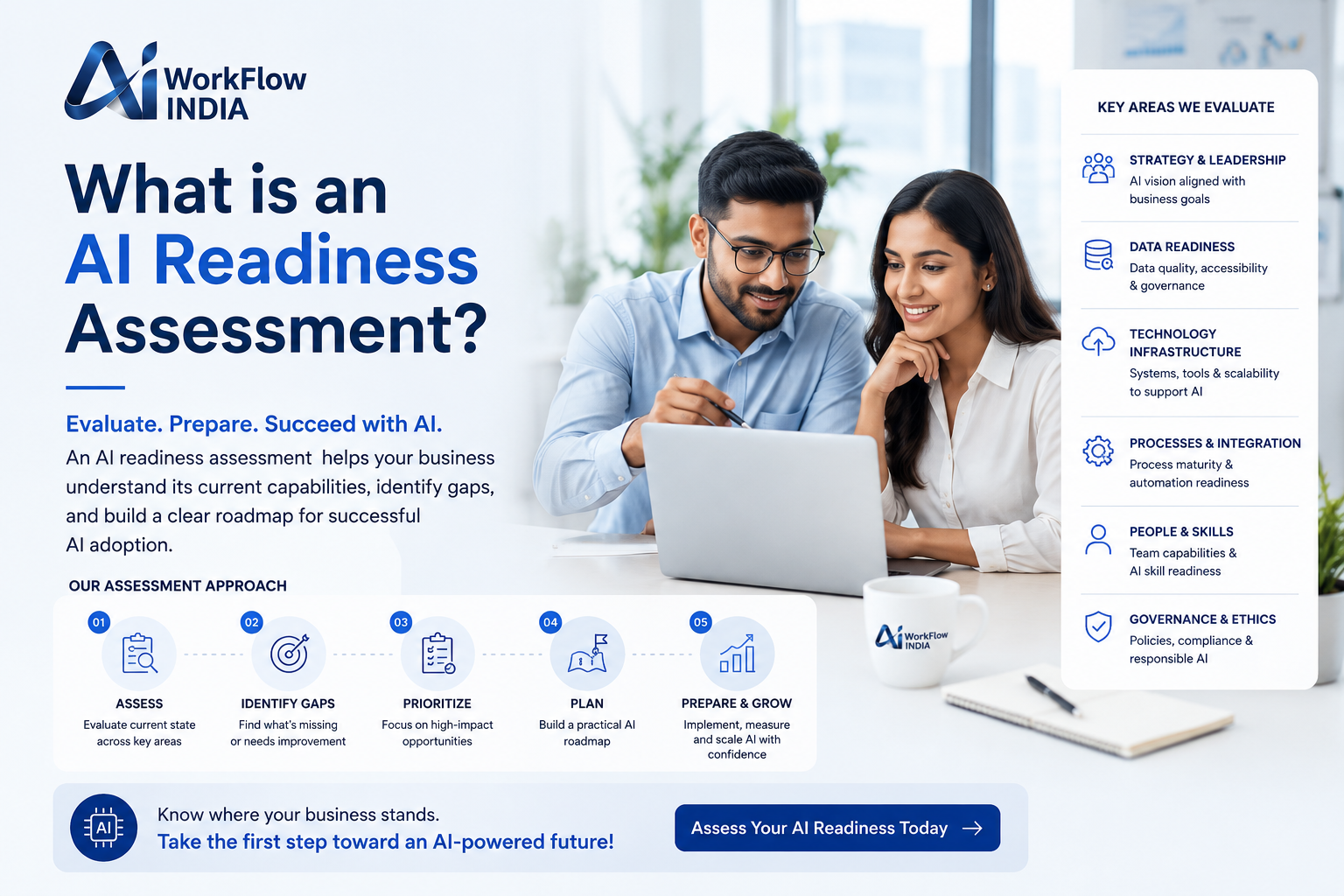
An AI readiness assessment is a structured evaluation of your organization’s ability to adopt and benefit from artificial intelligence technologies. It examines multiple areas of your business to determine how prepared you are for AI integration.
This isn’t just about having the latest technology. It goes much deeper. The assessment looks at your data quality, infrastructure, team skills, company culture, and strategic goals. Each of these elements plays a critical role in determining whether AI will thrive or fail in your environment.
Many businesses assume they’re ready for AI simply because they have data and computers. Unfortunately, that’s rarely enough. Without a proper AI assessment, organizations often waste money on tools they can’t use effectively. They end up frustrated and no closer to their goals.
Key Components of an AI Assessment
A thorough AI readiness evaluation covers several important areas. Let’s explore each one so you know what to expect.
Data Infrastructure and Quality
AI runs on data. Without clean, organized, and accessible data, even the best AI systems will struggle. During an assessment, experts examine:
- How your data is collected and stored
- The quality and consistency of your datasets
- Data governance policies and security measures
- Integration capabilities between different systems
- Historical data availability for training models
Poor data quality is one of the biggest reasons AI projects fail. An honest evaluation helps you identify problems before they derail your efforts.
Technical Infrastructure
Your existing technology stack matters more than you might think. The assessment reviews your hardware, software, cloud capabilities, and computing power. AI applications often require significant resources. Knowing your current capacity helps you plan realistic upgrades.
Workforce Skills and Training
People power AI success. Even the most advanced systems need humans to operate, maintain, and interpret them. An AI assessment evaluates your team’s current skills and identifies training needs. This includes technical staff, data analysts, and business leaders who will make decisions based on AI insights.
Organizational Culture and Leadership
Culture can make or break AI adoption. Is your leadership committed to digital transformation? Are employees open to new ways of working? Do teams collaborate across departments? These factors significantly impact how smoothly AI integrates into daily operations.
Why Every Business Needs an AI Readiness Check
You might wonder if your company really needs a formal assessment. The short answer is yes. Here’s why this evaluation delivers real value.
It saves money. Jumping into AI without preparation often leads to expensive failures. An assessment helps you avoid investing in solutions that don’t fit your needs or capabilities.
It creates realistic expectations. AI isn’t magic. Understanding your starting point helps set achievable goals and timelines. You’ll know what’s possible now versus what requires more groundwork.
It builds internal alignment. When everyone understands the current state and future vision, teams work together more effectively. The assessment process often sparks valuable conversations across departments.
It reduces risk. Identifying potential obstacles early gives you time to address them. Whether it’s data security concerns or skill gaps, you can tackle issues proactively.
If you’re considering taking this important step, scheduling an AI readiness consultation with experienced professionals can provide the guidance you need to move forward with confidence.
Signs Your Organization Might Not Be AI-Ready
Sometimes the assessment reveals that more preparation is needed. Watch for these common warning signs:
- Data lives in disconnected silos across different departments
- There’s no clear business problem that AI should solve
- Leadership hasn’t committed resources or budget
- Staff feel threatened by automation rather than excited by it
- No one owns the AI initiative or champions it internally
- Existing IT systems are outdated or incompatible
Recognizing these challenges isn’t a failure. It’s actually a success. You’ve identified what needs to change before wasting time and money on premature implementation.
Steps to Prepare for Your AI Assessment
Getting ready for an AI readiness assessment doesn’t have to be complicated. These practical steps will help you make the most of the process.
Gather Your Stakeholders
Include representatives from IT, operations, finance, and any departments that might use AI. Diverse perspectives ensure nothing gets overlooked. Each team brings unique insights about challenges and opportunities.
Document Your Current State
Before assessors arrive, take stock of what you have. List your data sources, technology systems, and any previous AI or analytics initiatives. This documentation speeds up the evaluation process.
Define Your Business Objectives
What do you want AI to accomplish? Whether it’s improving customer service, reducing costs, or predicting trends, clear goals help focus the assessment. Vague aspirations lead to vague recommendations.
Be Honest About Challenges
The assessment only helps if you’re transparent about problems. Don’t hide data quality issues or organizational resistance. Honest input leads to useful output.
What Happens After the Assessment?
Once the evaluation is complete, you’ll receive a detailed report outlining your current readiness level. This typically includes:
- A readiness score or rating across different dimensions
- Specific gaps and areas needing improvement
- Prioritized recommendations for next steps
- A suggested roadmap for AI adoption
- Resource requirements and budget estimates
This roadmap becomes your guide for moving forward. Some organizations discover they’re ready to pilot AI projects immediately. Others learn they need to invest in data infrastructure or training first. Either outcome is valuable because it sets you on the right path.
Common Mistakes to Avoid During AI Evaluation
Even well-intentioned companies make errors during the assessment process. Avoid these common pitfalls:
Rushing the process. A thorough AI assessment takes time. Cutting corners means missing important details that could impact your success later.
Ignoring company culture. Technical readiness means nothing if your people aren’t prepared. Always consider the human element alongside technology factors.
Focusing only on IT. AI affects every part of your business. Make sure the assessment examines operations, customer experience, and strategic alignment—not just servers and software.
Expecting instant results. The assessment is just the beginning. Real AI transformation takes months or years of sustained effort. Patience and persistence matter.
Building a Strong Foundation for AI Success
The organizations that succeed with AI share common traits. They start with a solid understanding of their capabilities. They invest in their people and their data. They approach AI strategically rather than chasing trends.
An AI readiness assessment provides the foundation for all of this. It transforms uncertainty into a clear action plan. It turns excitement into executable strategy.
Whether you’re a small business exploring automation or an enterprise planning large-scale AI deployment, the assessment process scales to your needs. The insights you gain will guide smarter investments and better outcomes.
Ready to discover where your organization stands? Taking the first step toward understanding your AI readiness could be the most important business decision you make this year. Don’t let competitors get ahead while you’re still guessing about your capabilities.
The future belongs to organizations that prepare thoughtfully and act decisively. Start your AI journey on solid ground.
Frequently Asked Questions
How long does an AI readiness assessment typically take?
Most assessments take between two to six weeks, depending on your organization’s size and complexity. Smaller businesses might complete the process faster, while larger enterprises with multiple departments and data systems require more thorough evaluation. The investment of time upfront saves significant resources down the road.
Who should be involved in the AI assessment process?
Include stakeholders from IT, data management, operations, finance, and executive leadership. You’ll also want input from teams that will actually use AI tools daily. This cross-functional approach ensures the assessment captures a complete picture of your organization’s readiness and potential challenges.
What if the assessment shows we’re not ready for AI?
That’s actually a positive outcome. Knowing your gaps allows you to address them strategically before investing in AI solutions. The assessment report will include specific recommendations for building readiness. Many companies use these insights to strengthen their data infrastructure, train their workforce, and create realistic timelines for future AI adoption.
—
**For Rank Math Meta Post:**
**Title:** What is an AI Readiness Assessment? | Complete Guide
**Meta Description:** Discover what an AI readiness assessment involves and why your business needs one. Learn key components, benefits, and steps to prepare for successful AI adoption.
**Meta Keywords:** AI assessment, AI readiness assessment, artificial intelligence readiness, AI evaluation, AI readiness check, business AI preparation, AI implementation readiness
Related resources
- Explore our 30-Minute AI Readiness Assessment.
- More guides in AI Adoption for Organizations.